

Overwater Villas in Belize: What Buyers Should Actually Know
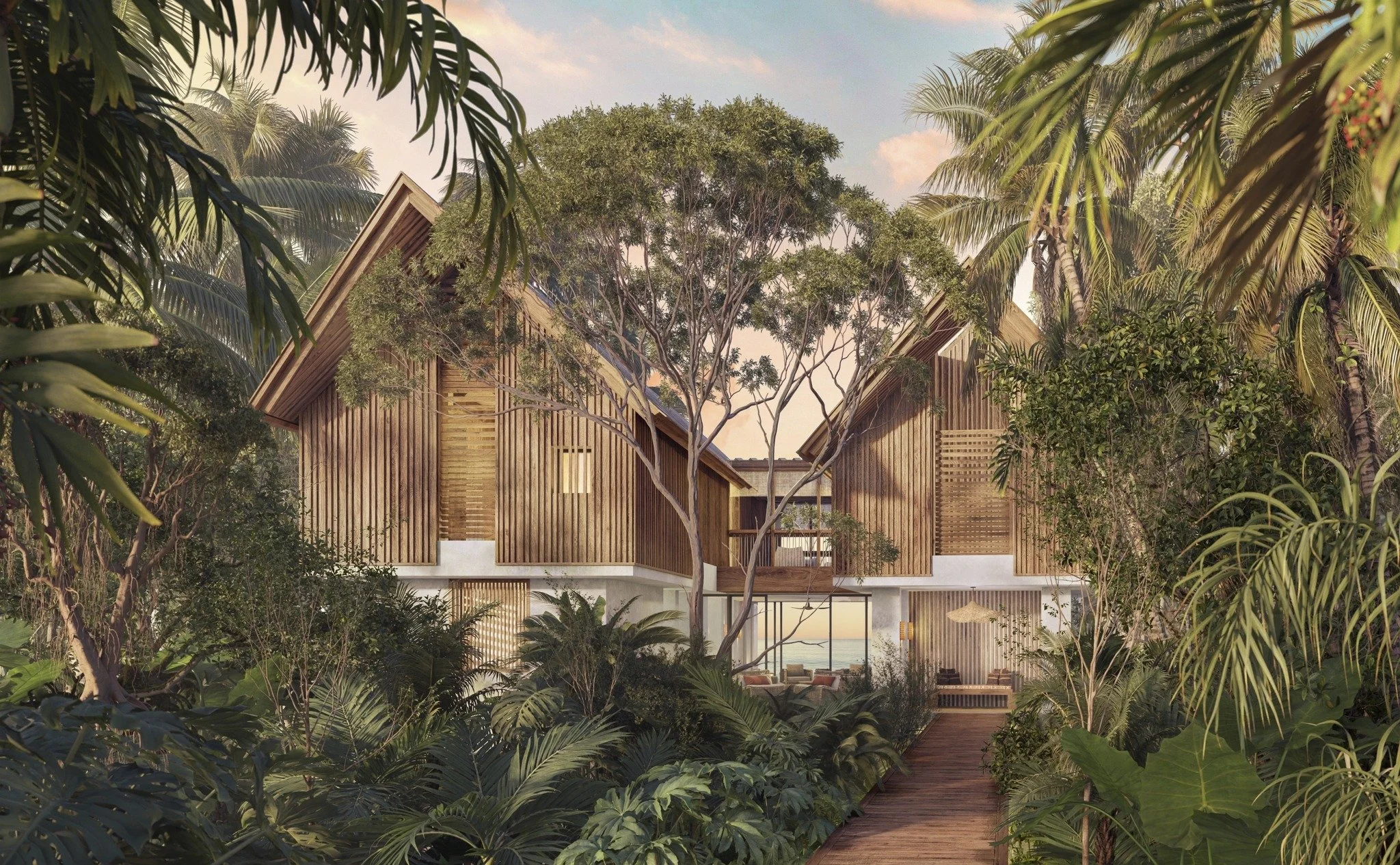
Overwater villas have been a resort category for two decades. They're now becoming a category of residence, and that's a different conversation. Buyers evaluating one for ownership rather than a stay are asking different questions, and the answers are still being written. Belize is one of the few markets where this product exists at a residential scale. If you're sorting through it, here's what's actually worth knowing.
1. Overwater Is a Different Product. Not a Fancier Beachfront.
The instinct is to treat overwater as the upgrade tier of waterfront. It isn't. It's a different product entirely. A beachfront home sits on land that happens to meet the water. An overwater home sits on the water; the structure, the access, the views, the sound, and the daily rhythm are all built around constant proximity.
The two don't substitute for each other. Buyers who want a garden, lawns, and ground-level outdoor space are buying beachfront. Buyers who want to live in an underwater environment are buying overwater. Knowing which you're actually after saves a lot of evaluation time.
2. Engineering and Construction Matter More
A landed home's structural integrity is mostly invisible. An overwater home isn't. What to look at: how the pilings are designed and maintained, what materials are used in the deck and finish work (saltwater is unforgiving), how the home is rated for storm conditions, and how the developer handles long-term inspection and maintenance. These aren't optional details for an overwater residence; they're what determines whether the home holds up over decades, not just years. Ask the questions on the front end. They're harder to answer once you own it.
3. Privacy Is Structural, Not Added
In a landed waterfront, privacy is enforced by walls, gates, hedges, and distance from neighbors. In a well-designed overwater, privacy is structural; the geometry of the boardwalks, the orientation of the villas relative to each other, and the layout of open water between them determine how much you actually see of anyone else.
That changes the experience. If a neighbor is fifty meters across open water rather than ten meters across a hedge, the privacy reads differently, quieter, more permanent, less defended. Worth looking at on a site plan before you visit, and again when you do.
4. The Relationship to the Water Is Constant
A beachfront home brings you to the water. An overwater home doesn't let you out of it. That isn't a small thing. The sound is always present. The light changes through the floor and the openings, not just the windows. Tides and weather are felt, not viewed. Wildlife moves close to the home rather than at it. For some buyers, that's exactly the appeal. For others, it's a daily intensity they'd want a break from. Worth a long visit before deciding short stays tell you the easy parts, not the lived-in ones.
5. The Operating Side Matters More
For a landed residence, you can supplement the operating side over time, bring in your own staff, and build your own routines. For an overwater home, the operating side is structural to the experience.
Boat access. Water transport. Storm protocols. Maintenance crews who can work on a structure built over water. Provisions delivery. None of that is something you assemble after the fact — it has to be in place when you move in.
That's why branded operations carry weight in this category specifically. A buyer at the branded Six Senses residences at Emerald Caye is buying an overwater residence inside an operating environment that handles all of that as part of the experience, not as an afterthought.
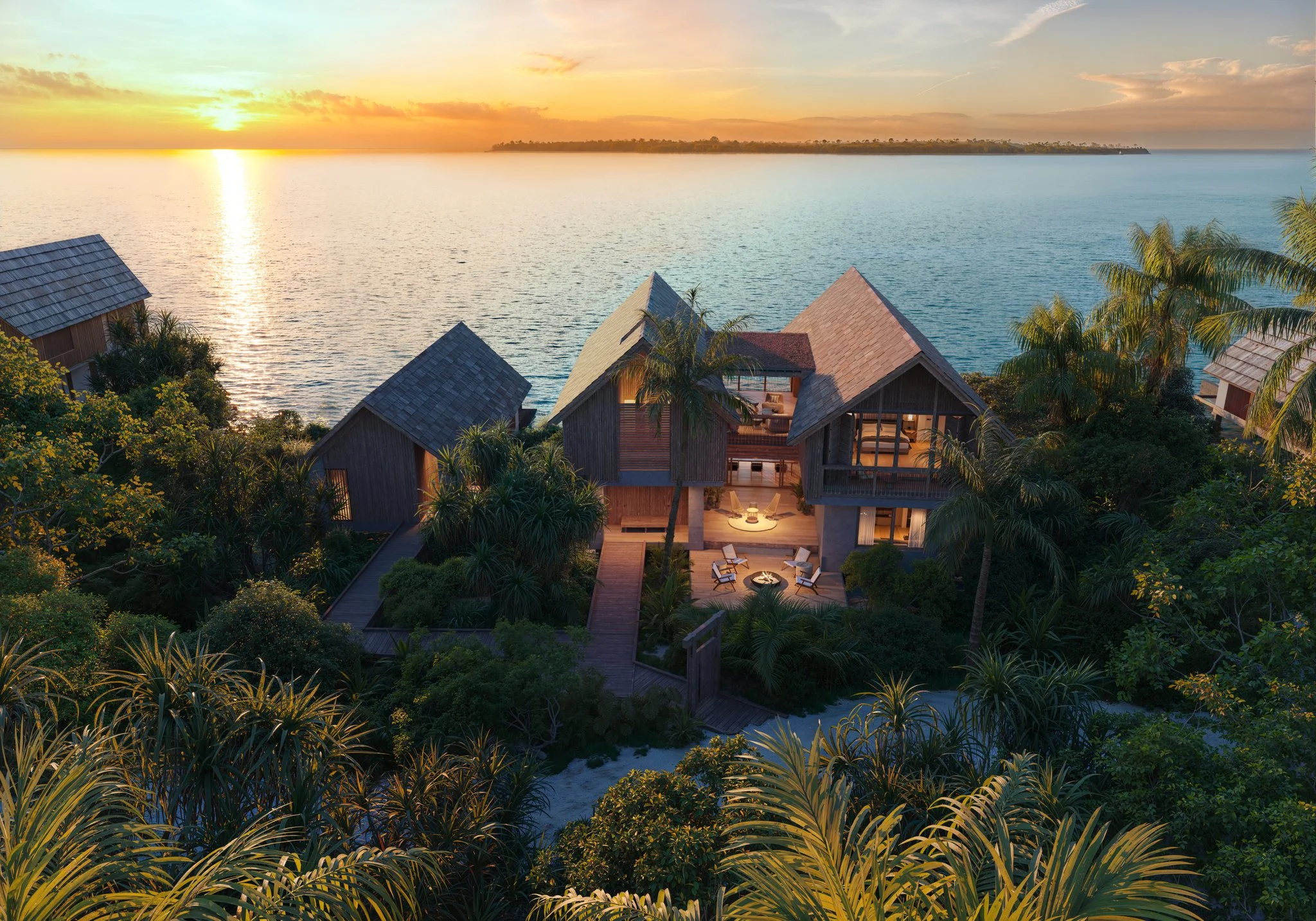
6. Belize Is One of the Few Markets Where This Exists at a residential scale
There aren't many places where you can actually buy an overwater home rather than rent one. Most of the world's overwater inventory is hotel-only. Belize is one of the markets changing that. The geography supports it, with protected reef systems, shallow shelf water, and low-density coastal land. The regulatory environment supports it.
The buyer base accessible from major North American cities supports it. Emerald Caye is one of the developments built around that opportunity, with residences positioned within a private island setting and integrated with the broader resort. For the wider market context, see why Belize is rising in the Caribbean real estate conversation and why North American buyers are choosing Belize for second homes.
The Short Version
Overwater, as a residential category, is still being defined. The buyers in it now are asking sharper questions than the resort guests who came before them, about engineering, operating standards, privacy structure, and what a daily relationship to the water actually feels like. If you're sorting through it, the answers matter more than the brochure.
If you want to walk through how all of this comes together at Emerald Caye, the team can show you in detail.
Frequently Asked Questions
What is an overwater villa?
A residence built directly above the water — structure, access, and orientation all designed around constant proximity to the marine environment rather than next to it.
How is an overwater villa different from a beachfront home?
It's a different product, not a tier of the same one. Beachfront sits on land that meets the water. Overwater sits on the water — the daily experience, the relationship to weather and light, and the engineering are all different.
What should buyers evaluate when looking at an overwater residence?
The structural engineering and material choices (saltwater is unforgiving), how privacy is built into the site plan, the operating side (boat access, maintenance, storm protocols, provisioning), and whether the home's relationship to the water matches how the buyer actually wants to live.
Why do branded operations matter more for overwater than for landed homes?
Because the operating layer — water transport, maintenance of a structure built over water, storm protocols — is structural to the experience rather than supplemental. You can't reasonably build it yourself after the fact.
Why is Belize a market for overwater residences specifically?
The geography (protected reef, shallow shelf water, low-density coastal land), the regulatory environment, and accessibility from major North American cities all support residential overwater development. Most of the world's overwater inventory is still hotel-only — Belize is one of the few markets changing that.
Where can I learn more about ownership at Emerald Caye?
The Emerald Caye FAQ page covers ownership and development details. The rest happens in a private conversation with the team.
